

The Quiet Erosion of the Human Element in Sports Media
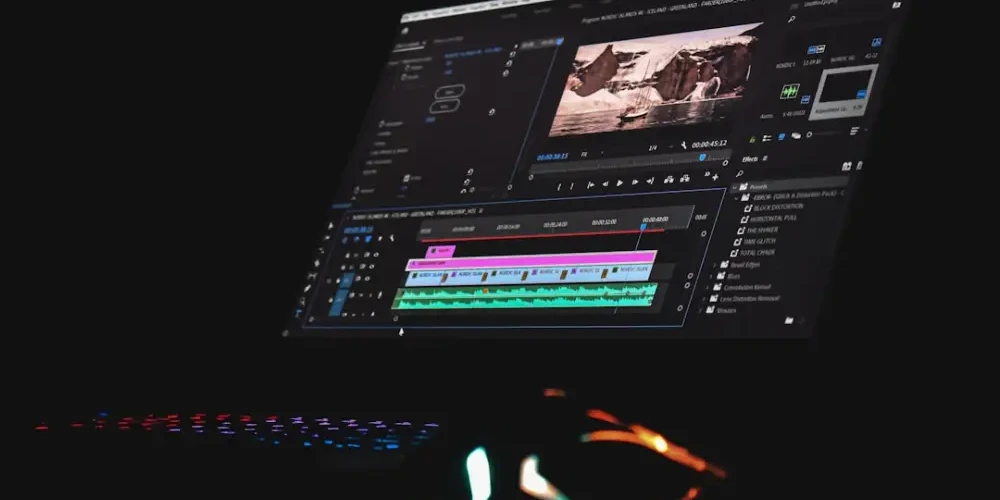
There was a time, not so long ago, when creating a sports highlight reel or a deep-dive analysis video felt like an act of devotion. You would sit in a dimly lit room, scrubbing through hours of footage, looking for that one specific frame where a player’s eyes betrayed their nerves, or where a fan in the third row mirrored the collective heartbreak of a city. It was tedious, exhausting, and deeply personal. It was where the soul of sports content lived.
Today, the landscape looks different. We are in the era of the ‘one-click’ creator. With a suite of AI tools at our fingertips, we can now generate scripts, automate voiceovers, and let algorithms pick our highlights in seconds. On paper, it is a revolution of efficiency. But as I watch the influx of perfectly polished, algorithmically optimized videos flooding our feeds, I can’t help but feel a growing sense of emptiness. We are gaining speed, but we are losing the ‘why’ behind the game.
The Efficiency Trap: When Speed Overwhelms Storytelling
The primary allure of AI in sports content creation is efficiency. There are tools that can scan a full 90-minute soccer match and instantly clip every goal, save, and yellow card. For a creator looking to keep up with the relentless pace of social media, this feels like a godsend. However, there is a fundamental difference between a ‘highlight’ and a ‘moment.’
An AI recognizes a goal because of the sudden movement of the ball and the spike in crowd volume. It sees the data point. But an AI doesn’t understand the three years of injury struggles that preceded that goal. It doesn’t recognize the symbolic weight of a veteran player passing the torch to a rookie. When we let machines choose what is important, we get a chronological list of events rather than a narrative arc. We get the ‘what,’ but we lose the ‘so what?’
The Loss of the ‘Ugly’ Moments
In our quest for the perfect, AI-curated feed, we are sanitizing the very thing that makes sports beautiful: the messiness. Sports are inherently unpredictable and often visually imperfect. Some of the most iconic sports content ever created wasn’t the high-definition, 4K slow-motion shot of a dunk; it was the shaky, grainy footage of a locker room celebration or the raw, unfiltered reaction of a commentator whose voice broke with emotion.
AI tools are programmed to find the ‘best’ version of a shot. They smooth out the jitters and normalize the audio. In doing so, they often strip away the texture of reality. Reflection tells us that the soul of fandom lives in those imperfections. When everything is polished to a mirror finish, there is nothing left for the fan to hold onto.
The Auditory Ghost: The Rise of the Synthetic Voice
Perhaps the most jarring shift in recent months is the ubiquity of AI-generated narration. We’ve all heard them—the perfectly modulated, slightly rhythmic voices that explain a play-by-play without ever taking a breath of genuine excitement. While these tools allow creators to churn out content without a microphone or a quiet studio, they create a barrier between the creator and the audience.
A human voice carries the weight of its owner’s history. When a creator talks about their team losing a championship, you can hear the residual ache in their tone. When they talk about a miraculous comeback, their pacing quickens naturally. You can’t prompt an AI to feel ‘cautiously optimistic’ or ‘bitterly disappointed’ in a way that resonates as truth. The synthetic voice is an auditory ghost—it mimics the sound of a human, but it lacks the spirit of a fan.
Why We Must Reclaim the Human Lens
As creators on platforms like Fandom Sports, we have a responsibility to remember that we are fans first and editors second. If we lean too heavily on automation, we risk becoming mere curators of a digital void. To keep sports content from feeling soulless, we need to reintegrate the human touch into our workflow. This doesn’t mean rejecting technology entirely, but rather using it as a scaffold rather than the building itself.
To maintain the soul of your content, consider these human-centric priorities:
- Focus on the ‘Why’: Before using an AI to script a video, ask yourself why this specific game or player matters to you personally. Let that emotion lead the narrative.
- Value the Context: Don’t just show the score. Show the history. Use AI to find the clips, but use your own intuition to decide which ones tell the real story of the night.
- Keep the Imperfections: If your voice cracks or your edit is a little jumpy because you were excited, leave it in. Those are the markers of a real person behind the screen.
- Prioritize Community Insight: Engage with other fans to see what they noticed that the cameras might have missed. AI can’t read the ‘vibe’ of a stadium, but a fan can.
The Future: Finding the Balance Between Tech and Heart
There is no going back; AI is now a permanent part of the creator’s toolkit. However, the future of sports media shouldn’t be a race to see who can produce the most content the fastest. Instead, the creators who will truly stand out are those who use technology to amplify their unique perspective, not replace it.
We watch sports because they make us feel alive. We see ourselves in the struggle, the triumph, and the defeat. If the content we create about these games is generated by something that has never felt the sting of a loss or the euphoria of a last-second win, then we are failing our audience. Let’s use the tools to handle the mundane, but let’s keep the storytelling, the passion, and the ‘soul’ firmly in human hands. After all, fandom isn’t about data—it’s about the heart.
Related Posts

How to finally get brands to sponsor your sports channel
Tired of being ignored by sponsors?…

Why turning your sports passion into a career actually changes how you watch
Turning your sports passion into a…
How to actually use sports highlights without getting your channel flagged
Stop getting copyright strikes. Learn…